
Saving a 20% deposit while paying rent and everyday bills can feel impossible. The advantages of low deposit loans give many New Zealand first home buyers another path: buying with 5–10% saved instead of waiting years.
Used well, low deposit lending lets you enter the market sooner, stop paying someone else’s mortgage, and keep more of your savings in the bank. The key is understanding how these loans work, what they cost, which version fits your situation, and getting practical guidance so you are not guessing alone.
“You don’t need a 20% deposit before you talk to a mortgage adviser,” says Matthew from Mortgage Managers. “What matters is a clear picture of your income, debts, and goals, and a plan that a lender can say yes to.”
This guide walks through the main advantages of low deposit loans, the trade‑offs, and the different pathways available — from bank low deposit options and Kāinga Ora First Home Loans to LVR‑exempt new builds, non‑bank low deposit home loans, and shared home ownership. You will also see how Matthew from Mortgage Managers can help you compare these choices and build a clear plan to buy your first home.
Table of Contents
- Key Takeaways: Advantages Of Low Deposit Loans
- What Is A Low Deposit Home Loan?
- How LVR And LMI Shape The Advantages Of Low Deposit Loans
- The Main Advantages Of Low Deposit Loans
- Low Deposit Pathways Available In New Zealand
- Is A Low Deposit Loan Right For You?
- How Matthew And Mortgage Managers Help First Home Buyers
- Conclusion
- FAQs
Key Takeaways: Advantages Of Low Deposit Loans
The list below highlights the core advantages of low deposit loans for New Zealand first home buyers.
-
Buy with as little as 5–10% deposit instead of waiting to reach 20%.
-
Stop renting sooner and start building equity in your own home.
-
Keep more savings available for emergencies, renovations, and other goals.
-
Use government help such as Kāinga Ora First Home Loans, First Home Grants, and KiwiSaver withdrawals to top up your deposit.
-
Mix and match options — bank low deposit products, LVR‑exempt new builds, non‑bank low deposit home loans, and shared ownership — with help from a mortgage adviser like Matthew.
What Is A Low Deposit Home Loan?

A low deposit home loan is a mortgage where your deposit is less than 20% of the property price. In New Zealand, this usually means you are borrowing at a high loan‑to‑value ratio (LVR), often between 80% and 95%.
Many buyers still believe they must have a full 20% deposit before any bank will talk to them. In reality, most major banks, Kāinga Ora, and a range of non‑bank lenders offer low deposit options for first home buyers with solid income and realistic expectations.
Your deposit size shapes how your loan is priced, which conditions apply, and whether you pay a low deposit fee or lenders mortgage insurance (LMI). Smaller deposits mean higher LVRs and more scrutiny from the lender, but they also deliver the main advantages of low deposit loans: market entry sooner, equity building earlier, and less time watching prices climb while you keep saving.
Matthew can look at your deposit, income, and debts, then explain which lenders’ low deposit rules you are likely to meet, so you focus only on options that are worth applying for.
How LVR And LMI Shape The Advantages Of Low Deposit Loans
LVR is the ratio between your loan amount and the property value. If you buy a $700,000 home with a $70,000 deposit, you borrow $630,000, so your LVR is 90%. The higher your LVR, the more risk the lender takes on.
To offset that risk on high‑LVR lending, many banks charge either:
-
a low deposit premium added to your interest rate, or
-
a one‑off lenders mortgage insurance (LMI) or similar fee.
On a $500,000 purchase with a 10% deposit, the LMI or low deposit fee can be several thousand dollars. Many lenders allow this cost to be added to your loan rather than paid upfront, so your repayments cover it over time.
These costs are the trade‑off for the advantages of low deposit loans. You pay more in fees and interest in the early years, but you avoid years of extra saving and may benefit from any capital growth that occurs while you already own the home.
Recent Reserve Bank announcements — for example, moves flagged in plans to ease mortgage loan‑to‑value ratio restrictions — show how LVR rules can change over time. Working with a mortgage adviser who follows these changes closely, such as Matthew, helps you time your application, choose between LMI and low deposit premiums, and structure your lending in a way that suits your budget.
The Main Advantages Of Low Deposit Loans

The advantages of low deposit loans fall into a few clear themes.
Enter The Property Market Sooner
Saving a 20% deposit can easily take four to eight years, especially in major cities where rents and living costs are high. Over that time, property values may rise faster than your savings, so the goalpost keeps moving.
By using a low deposit loan, you may be able to buy with a 5–10% deposit instead. That shortens the waiting period and lets you secure a home at current prices rather than chasing a higher price later.
Buying earlier can mean:
-
more years paying down your own loan instead of rent
-
more time for potential capital growth
-
less pressure to save a very large lump sum.
For many first home buyers, this is the most important of all the advantages of low deposit loans. Matthew helps you weigh this “buy sooner” benefit against the higher repayments and fees that come with a higher LVR.
Stop Renting And Start Building Equity
Every week you pay rent, you help someone else pay down a mortgage. Once you own, those same dollars start chipping away at your own loan and building equity in your name.
Equity is the difference between what your property is worth and what you owe. As you make repayments and, over time, if the property value rises, that gap widens. You can then use future equity for renovations, a second property, or debt consolidation, depending on your goals.
Low deposit lending gets that process started earlier. Resources such as this low deposit home loan NZ guide walk through the mechanics, but the headline point is simple: owning sooner gives you more years of potential equity growth.
Keep More Cash In Your Back Pocket
One of the quieter advantages of low deposit loans is cash flow flexibility. Instead of putting every dollar into the deposit, you keep a chunk of savings aside for:
-
an emergency fund
-
moving costs and basic furniture
-
maintenance and small upgrades
-
other goals such as study, travel, or starting a business.
If you stretch to a full 20% deposit, you risk becoming “house poor” — on the title, but with no buffer. Having money set aside makes it easier to handle the realities of home ownership without stress.
Good money habits matter even more once you have a mortgage. Guides on managing your money effectively can help you set a budget, agree on spending rules with a partner, and keep your new home from becoming a source of constant arguments.
Share In Potential Capital Growth
Property does not always rise in a straight line, but over longer periods it has often grown faster than wages. Buying earlier means any growth from that point belongs to you.
For example, say you buy at $500,000 with a 10% deposit. If the home grows by 10% over two years, it is now worth $550,000. That $50,000 gain may be far larger than the low deposit fee or LMI you paid to get into the market.
This is another of the practical advantages of low deposit loans: the cost of waiting can be higher than the cost of getting started, especially in areas where demand for housing stays strong.
Combine Loans With Government Help
New Zealand first home buyers have access to several schemes that work well alongside the advantages of low deposit loans:
-
First Home Grant: For eligible buyers who have been contributing to KiwiSaver for at least three years.
-
KiwiSaver First Home Withdrawal: Lets many members use most of their KiwiSaver balance toward a first home deposit.
-
Kāinga Ora First Home Loan: A government‑backed loan that allows some buyers to purchase with a 5% deposit and less reliance on standard bank LVR rules. Recent commentary, such as this assessment of the First Home Loan scheme, outlines how these programs are monitored and refined.
When you layer these options onto a low deposit home loan, that 5–10% deposit can come from several sources — savings, KiwiSaver, and grants — instead of just your bank account.
“Government support is there to help first home buyers over the deposit hurdle,” Matthew explains, “but you still need a loan structure and repayment plan that feel realistic for your household.”
Matthew can map out how each scheme interacts with your chosen loan type, including bank low deposit offers, Kāinga Ora First Home Loans, LVR‑exempt new builds, and non‑bank low deposit home loans.
Low Deposit Pathways Available In New Zealand
The advantages of low deposit loans show up in different ways depending on which path you take. Matthew helps first home buyers compare five main low deposit pathways.
A quick comparison of these options is set out below:
| Pathway | Typical Minimum Deposit | Main Advantages | Things To Watch | How Matthew Helps |
|---|---|---|---|---|
| Bank Low Deposit Options | Around 5–10% | Bank pricing and standard features | Premiums, LMI, tight affordability tests | Matches you with banks open to higher LVRs |
| Kāinga Ora First Home Loans | From 5% | Government backing, smaller deposit | Income and price caps, eligibility rules | Checks if you qualify and guides the application |
| LVR‑Exempt New Builds | Often 5–10% | Higher LVR possible, newer property | Build timeframes, contract conditions | Compares new builds with existing homes for you |
| Non‑Bank Low Deposit Home Loans | Around 10–20% | Flexible on income or past credit | Higher rates and fees, short‑term focus | Plans a stepping‑stone route back to a bank |
| Shared Home Ownership | Varies by arrangement | Lower individual deposit and borrowing | Need strong legal agreements and exit plans | Helps structure the deal and coordinate with lawyers |
Bank Low Deposit Options
Most major banks will consider lending above 80% LVR to strong applicants, and some run special campaigns for first home buyers. These bank low deposit options often include:
-
loans up to 90–95% LVR for owner‑occupiers
-
discounted low deposit premiums during promotional periods
-
cash‑back offers that help cover legal fees or moving costs.
Banks look closely at your income, existing debts, and savings history. Building that savings track record can start long before you apply. Simple saving tips for first home buyers — such as setting up automatic transfers to a separate account and trimming non‑essential spending — strengthen your application.
Matthew can pinpoint which banks are actively offering 5–10% deposit home loans, then present your case in a way that lines up with each bank’s LVR, income, and spending rules.
Kāinga Ora First Home Loans
Kāinga Ora First Home Loans are designed for buyers who have solid income but smaller deposits. The key features usually include:
-
deposits from as low as 5%
-
income and house price caps that aim these loans at modest‑income households
-
lower reliance on standard bank LVR rules because the loan is underwritten by the government.
Not everyone will qualify, and the criteria can change — Kāinga Ora’s 2023 2024 Annual Report provides a useful overview of how the organisation’s home ownership programmes have been performing and evolving, so it pays to check the latest details before you commit to a property. Matthew tracks these updates — including targets and programme benchmarks outlined in the Kāinga Ora performance expectations — and can tell you in plain language whether a Kāinga Ora First Home Loan fits your situation or whether another low deposit pathway will work better.
LVR‑Exempt New Builds
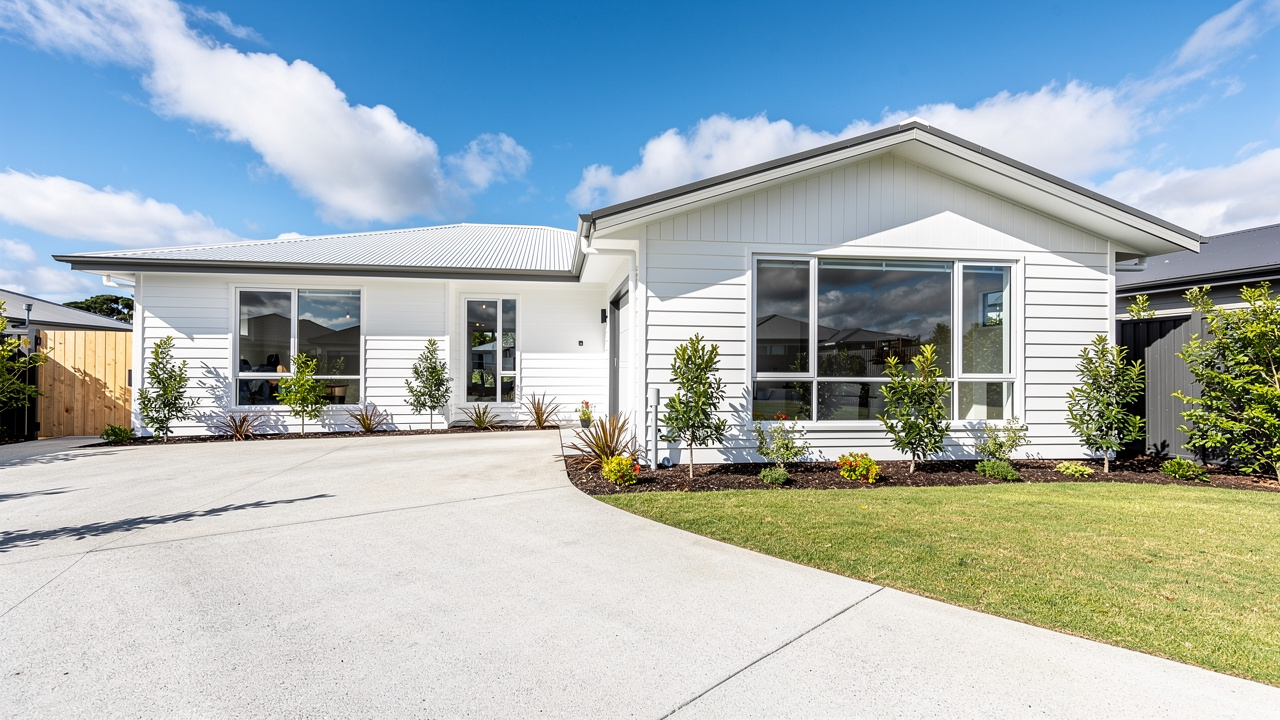
New builds often receive more generous LVR treatment from the Reserve Bank. In some cases, banks can lend at higher LVRs on brand‑new homes or house‑and‑land packages without those loans counting against their internal LVR limits.
For you, that can mean:
-
easier approval for a high‑LVR loan on a new property
-
access to incentives from developers, such as contributions to legal or moving costs
-
a home that may need less maintenance in the early years.
This is one more way the advantages of low deposit loans show up in practice. By targeting an LVR‑exempt new build, a buyer with a small deposit can access higher LVRs than they might on an existing home. Matthew can show you how an LVR‑exempt new build changes the deposit you need and compare those numbers with buying an older property.
Non‑Bank Low Deposit Home Loans
Non‑bank lenders specialize in situations that do not fit standard bank rules. They can be useful for:
-
self‑employed borrowers with shorter trading histories
-
buyers with credit issues that are on the mend
-
people who need more flexible income assessment.
Non‑bank low deposit home loans usually come with higher interest rates and fees, so they are rarely a long‑term parking spot. They can, however, act as a stepping stone: you buy the home now and move back to a bank lender once your LVR and credit profile improve.
If you have had past credit problems, it helps to understand how lenders think. Guides on how to negotiate home loans with challenging credit histories outline steps such as checking your credit file, clearing unpaid defaults, and building a track record of on‑time payments.
Matthew will often set up a clear “exit plan” with non‑bank low deposit home loans — aiming to refinance you to a main bank once your repayments, LVR, and credit history have improved.
Shared Home Ownership And Co‑Ownership
Shared home ownership models let you buy a portion of a home alongside a partner, family member, or program provider, with clear rules about who owns what share. In New Zealand this can include:
-
family co‑ownership, where parents contribute part of the deposit or go on the title
-
shared equity arrangements, where a third party owns a slice of the property and you buy that share out over time
-
informal agreements between friends who decide to purchase together.
Shared home ownership can reduce the deposit you must save on your own and lower individual borrowing. It also introduces extra moving parts, so legal advice and clear written agreements matter a lot. Matthew regularly talks buyers through the pros and cons so no one goes in with vague assumptions, and he can coordinate with your lawyer to set the ownership structure up in a way that reflects everyone’s expectations.
Is A Low Deposit Loan Right For You?

The advantages of low deposit loans are strong, but they do not suit every buyer. Before you commit, think about:
-
Repayment comfort. Could you still sleep at night if interest rates rose by a few percent?
-
Job stability. Are your income and employment reasonably secure for the next few years?
-
Existing debts. Credit cards, personal loans, and car finance all reduce how much you can borrow.
-
Emergency savings. Do you have at least a few months of expenses tucked away after paying your deposit and moving costs?
-
Risk tolerance. How would you feel if property prices dipped for a while after you buy?
Lenders ask similar questions when they assess an application. They will review your income, spending, and credit history in detail. Cleaning up debts, paying bills on time, and building a pattern of regular saving all strengthen your position before you apply.
If you would like a structured look at your situation, Matthew can review your budget and credit report with you, explain what lenders are likely to say, and suggest practical steps to get you loan‑ready, whether that is right now or a bit further down the track.
How Matthew And Mortgage Managers Help First Home Buyers
Low deposit lending rules change often, and each bank or non‑bank lender applies them a little differently. Having a skilled guide on your side makes the process far less stressful.
Matthew is a mortgage adviser with Mortgage Managers, part of the Next Key Mortgages team, based in Hobsonville and working with first home buyers across Auckland and the wider country. His role is to:
-
explain the advantages of low deposit loans in plain English
-
compare bank low deposit options, Kāinga Ora First Home Loans, LVR‑exempt new builds, non‑bank low deposit home loans, and shared ownership paths for your situation
-
map out how government help, KiwiSaver, and cash savings can combine to reach a deposit
-
prepare and present your application so it meets each lender’s requirements.
In practice, working with Matthew often looks like this:
-
Initial chat. Talk through your income, debts, KiwiSaver, and how much deposit you already have.
-
Strategy session. Decide whether bank low deposit lending, a Kāinga Ora First Home Loan, an LVR‑exempt new build, a non‑bank option, or shared home ownership is the best fit.
-
Document check. Pull together payslips, bank statements, and ID so your application is complete and tidy.
-
Lender comparison. Matthew approaches suitable lenders, compares offers, and explains the interest rates, fees, and conditions in plain language.
-
Support through approval and purchase. He stays involved through pre‑approval, property selection, and settlement day if you need help reading conditions or structuring the final loan.
“My aim is that first home buyers understand their options before they see a bank,” says Matthew. “That way you are walking in with a clear plan, not just hope.”
You do not have to learn the lending rulebook on your own. Resources such as this overview of the role of a mortgage adviser explain how advisers act for you, not for the bank. Matthew takes that role seriously, giving straight answers about what is realistic and what is not.
If you want to go deeper on structure and product types, this low deposit home loan NZ guide on the Mortgage Managers site breaks down options in more detail.


Conclusion
For many New Zealanders, the advantages of low deposit loans are the difference between staying stuck in the rental cycle and owning a first home. Used thoughtfully, they let you buy with 5–10% down, start building equity sooner, keep more cash on hand, and make smart use of support such as Kāinga Ora First Home Loans, bank specials, LVR‑exempt new builds, non‑bank low deposit home loans, and shared home ownership.
The trade‑off is higher fees, stricter assessment, and the need for a clear plan. That is where expert advice matters. Matthew from Mortgage Managers can review your goals, crunch the numbers, and present a strategy that lines up with your income, savings, and appetite for risk.
If you are ready to see whether a low deposit loan could work for you, reach out to Matthew and start a conversation. One meeting can clarify what is possible now, what might be possible soon, and the steps between here and the front door of your own home.
FAQs
What Are Low Deposit Loans And How Do They Help First Home Buyers?
Low deposit loans are home loans that accept a deposit of less than 20% of the purchase price, often as low as 5–10%. The main advantages of low deposit loans are that you can enter the market sooner, stop paying rent, and start building equity in a home you own, instead of waiting years to save a larger deposit.
How Do I Find Lenders Offering Low Deposit Home Loan Options?
You can approach banks and non‑bank lenders directly, but comparing every option on your own takes time. A mortgage adviser like Matthew works with a wide range of lenders and knows which ones are currently open to high‑LVR lending. He can assess your income, savings, and credit history, then match you with bank low deposit options, Kāinga Ora First Home Loans, LVR‑exempt new builds, non‑bank low deposit home loans, or shared ownership structures that fit.
What Extra Costs Come With A Low Deposit Loan?
The advantages of low deposit loans sit alongside extra costs. These can include:
-
a low deposit premium added to your interest rate
-
lenders mortgage insurance (LMI) or a similar one‑off fee
-
higher ongoing repayments because you are borrowing more.
You will also need to budget for standard home‑buying costs such as legal fees, a building inspection, moving costs, and rates and insurance once you own the property.
How Do Low Deposit Loans Affect My Overall Financial Plan?
Used carefully, the advantages of low deposit loans can support your wider financial plans. Buying earlier lets you redirect rent into your own mortgage and gives you more years of potential equity growth. At the same time, keeping some savings aside rather than pushing to a 20% deposit can leave you with a healthier emergency fund.
Matthew encourages clients to look at the whole picture — income, debts, savings, and lifestyle — so the mortgage fits comfortably instead of straining every dollar.
How Can I Improve My Chances Of Getting Approved For A Low Deposit Loan?
Your approval odds improve when you:
-
pay all current bills and debts on time
-
reduce credit card limits and personal loans where possible
-
build a consistent savings pattern, even if the amounts are small
-
avoid taking on new debt just before you apply
-
check your credit report and fix any errors.
Articles such as managing your money effectively and saving tips for first home buyers offer practical ideas. Matthew can then take that groundwork and shape it into a strong, well‑presented application.